Present Members
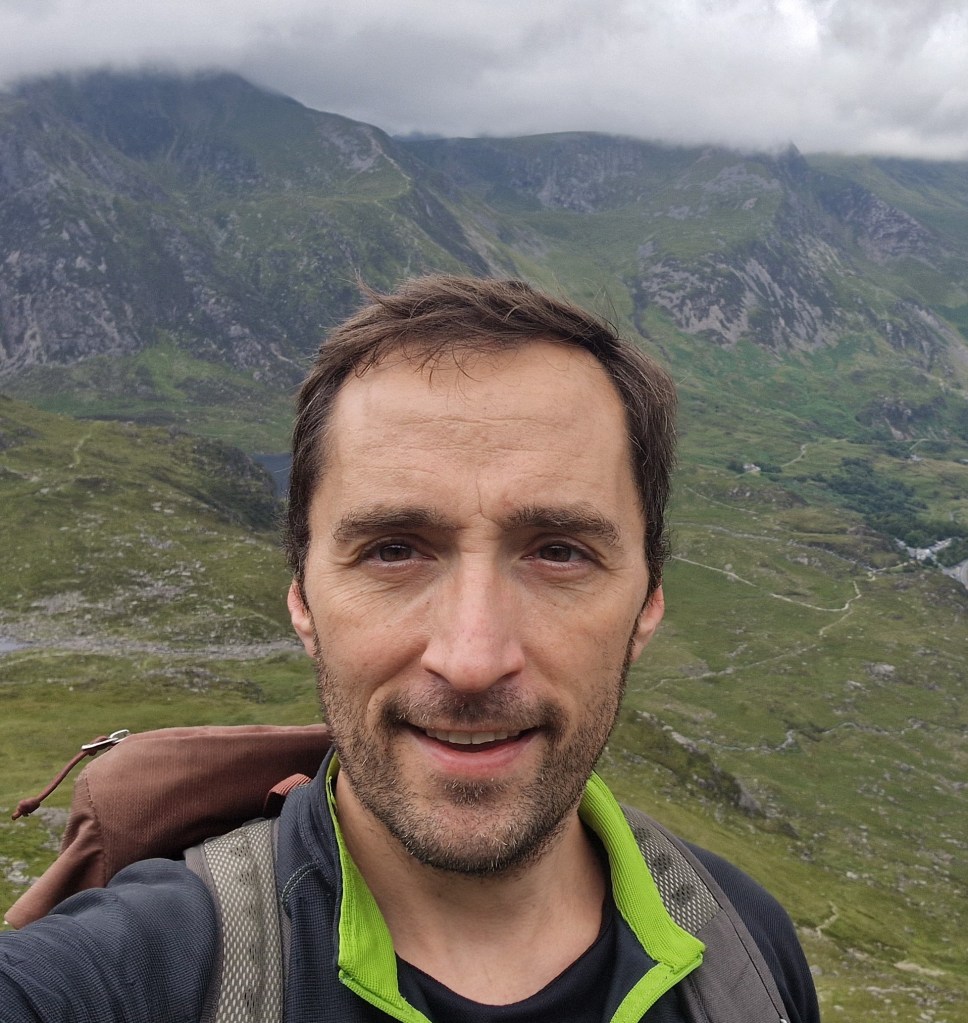
Wayne Dawson
I am a professor of ecology at the University of Liverpool, in the Department of Evolution, Ecology and Behaviour. Before that, I was an associate professor at Durham University.
In many ways, I’m a plant community ecologist at heart, and my research focuses on understanding the causes and consequences of invasions by introduced plants. I also have longstanding interests in plant-soil interactions and plant functional traits.
As well as leading a research group in Liverpool, I regularly contribute to workshops and risk assessments aimed at identifying species posing a high risk of invasion to the UK and elsewhere. I am a nominated member of the NEOBIOTA Council (the European Consortium of scientists and environmental managers who work on biological invasions). In this role, I represent the organization and promote its aims at a national level in the UK.
From 2011 to 2015 I was a senior post-doc in Mark van Kleunen’s lab in the University of Konstanz (Germany). In that role, I became a core team member of the Global Naturalized Alien Flora (GloNAF) database project, with colleagues from Austria, Germany and the Czech Republic. Find out more about the GloNAF project here.

Ivy Whiteford
I am a postdoctoral research associate at the University of Liverpool in the Department of Evolution, Ecology and Behaviour. I love the city of Liverpool and I have studied and worked here for over a decade, from my undergraduate degree in genetics, doctorate in genomics, and postdoctoral work in population genetics. My interests include lepidopteran species, large-scale analytical challenges and an integrated view of social, historical and biological elements. My career to date has been a process of attempting to integrate increasing levels of biological complexity leading to my current position in Professor Dawson’s lab, where I aim to apply my informatics training to large ecological datasets (such as GloNAF) in order to push the frontiers of understanding in macroecology. In addition to identifying key gaps in these important global resources, we aim to examine two mechanisms in detail, enemy release and mutualist enhancement that potentially underpin the process of non-native plant invasion, and synthesise them in a unified framework.
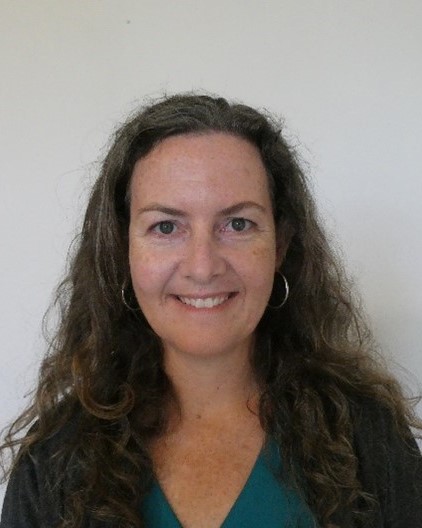
Alison Copeland
I came to Durham in September 2022 to begin a PhD project investigating Bermuda’s vegetation communities; particularly the origin and ecology of the invasive plant species, and the unique communities they form with Bermuda’s indigenous flora in unmanaged habitats. My interests include endangered and invasive species mapping, threatened plant recovery, biodiversity surveys especially in protected areas, island endemics and translating science to policy. I’m now based at University of Liverpool.
Before coming to Durham, I was a Biodiversity Officer for the Government of Bermuda. This role involved endangered species recovery projects, habitat management, policy work and public outreach and education. Some of my key projects were the IUCN Red Listing of 9 Bermudian endemic plants with RBG Kew, and the Governor Laffan’s Fern recovery project with Omaha’s Henry Doorly Zoo.

Junxia (Julia) Zhang
I started my PhD in Liverpool in October 2024. My PhD research focuses on the role of plant exudates in plant invasions, and how they affect competing native plants in the native and introduced ranges. I aim to use realistic experimental approaches to assess whether or not allelopathy has measurable impacts under field conditions.
My PhD is funded by a Joint University of Liverpool – China Scholarship Council Award.

Yinan (Rain) Xiang
I started my PhD in October 2024. My PhD project involves assessing the impacts that invasive plants have on soil microbial communities (fungi, bacteria and viruses) and how these impacts affect native plants in turn. I aim to use metagenomics and experimental approarches to fully understanding the effects of Himalayan Balsam (Impatiens glandulifera) on invaded soils.
My PhD is funded by a Joint University of Liverpool – China Scholarship Council Award.

Yanyan Wang
I started my PhD at the University of Liverpool in October 2025. My PhD project focuses on applying big data analytics and experimental approaches to investigate the patterns and effects of biotic interactions involving non-native plant species. I am particularly interested in using community ecology theory to explore questions related to biological invasions and their impacts on biodiversity.
My PhD is funded by a Joint University of Liverpool – China Scholarship Council Award.
Past Members

Peter Stewart
For his PhD, Peter studied the impacts of invasive prickly pear cacti (Opuntia spp.) on wild mammals in Laikipia County, Kenya. As part of this project he created Prickly Pear Project Kenya ( https://www.zooniverse.org/projects/peter-dot-stewart/prickly-pear-project-kenya) on Zooniverse. Peter is currently a post-doc at the University of Glasgow.
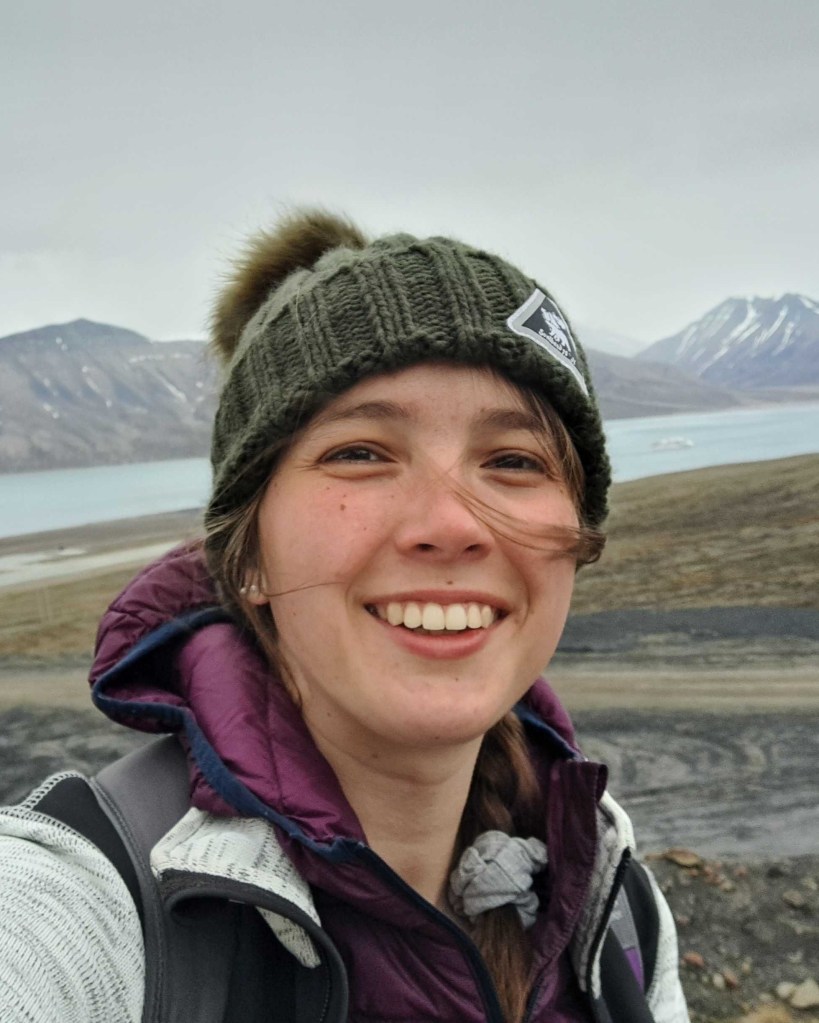
Katy Ivison
Katy was a PhD student investigating how climate change and biotic interactions impact non-native plant success in Norway. Katy carried out various modelling techniques to identify potential risk species to Norway in the future and to test the enemy release hypothesis across herbarium specimens and botanic gardens, and set up growth experiments to measure the effect of warming and herbivory on plant growth. Katy is now a post-doc at the University of Birmingham.
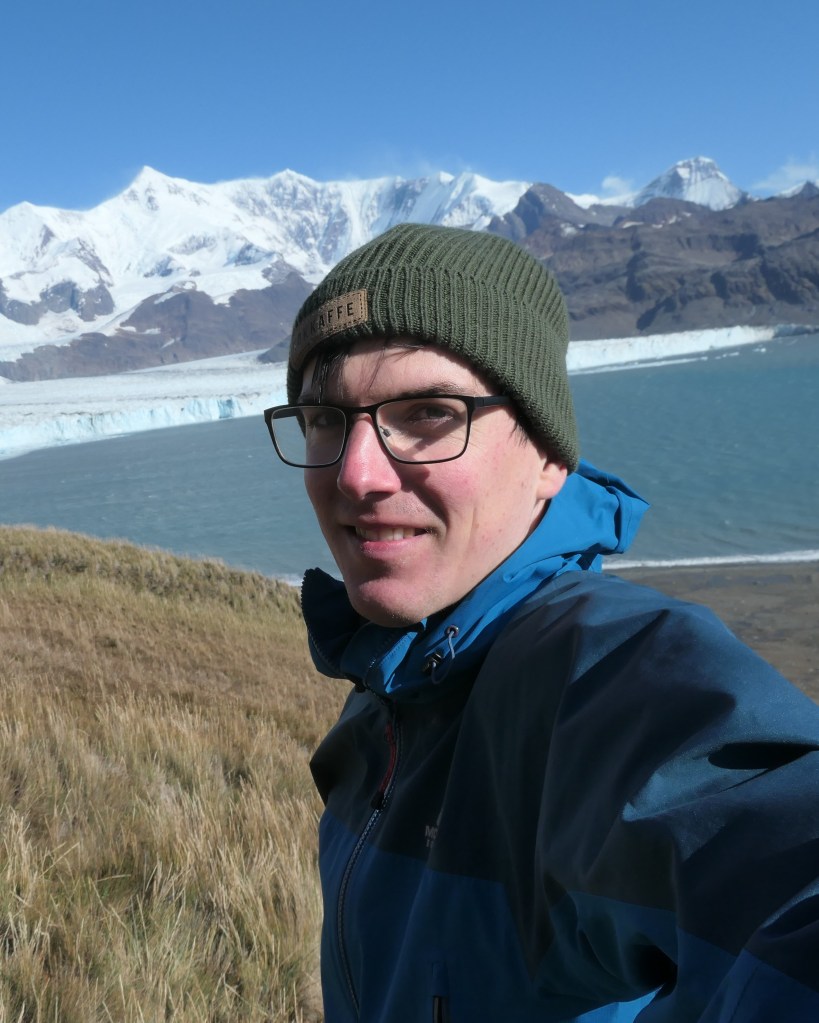
Pierre Tichit
Pierre was Postdoctoral Research Associate (Durham) who working on a Darwin+ funded project studying the interactive effects of climate change and invasive species on the sub-antarctic island of South Georgia, Pierre conducted field surveys, plant growth experiments and modelling to assess the vulnerability of native ecosystems to invasive plants and invertebrates that may benefit from climate change. Pierre is now a post-doc at the Swedish University of Agricultural Sciences.

Oana Resiga
Master of Science by Research: 2021-2022
Oana’s project focused on studying the physiological performance of invasive plants to simulated warming and drought. Oana is currently a PhD student at Lancaster University
Ewan Jones
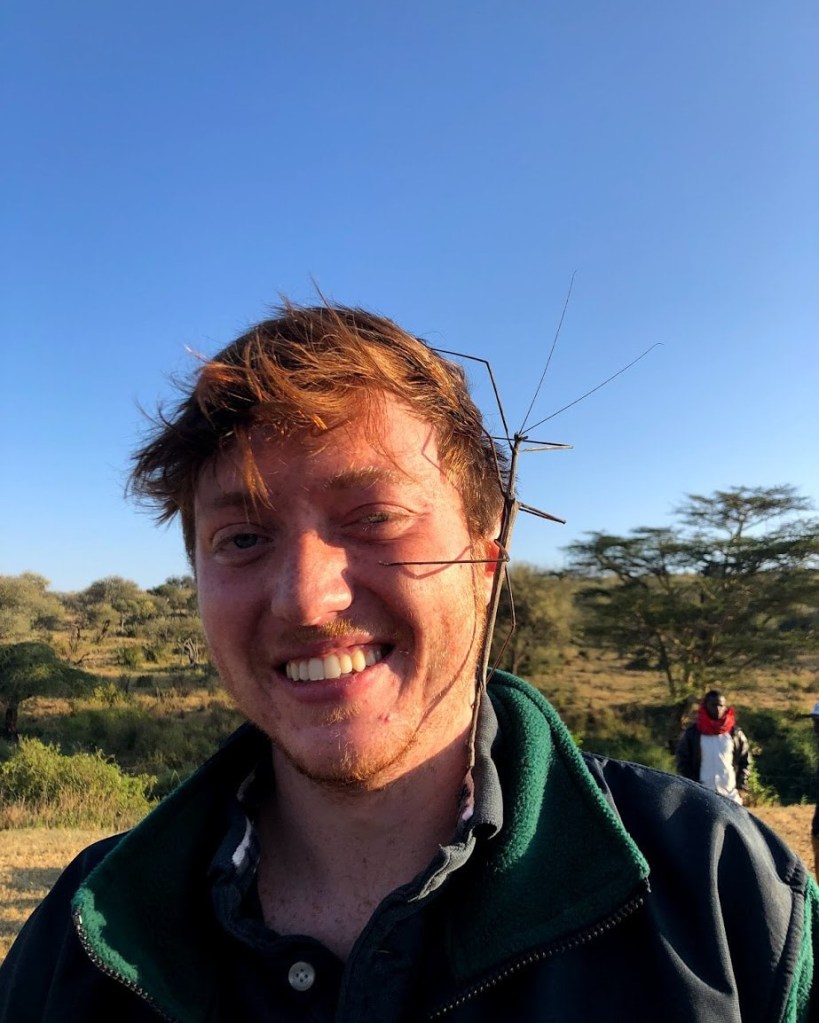
Master of Science by Research: 2021-2022
Ewan’s project involved assessing the effect of plant-soil feedbacks on invasive plant competitive performance against native plants under simulated warming, and the effects of warming on soil microbial communities.
Eladio Rodriguez-Penedo
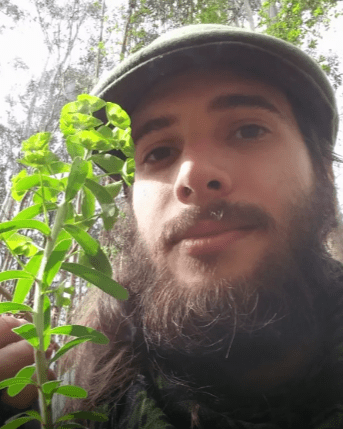
Eladio was an Erasmus+ traineeship postgrad (Durham). Eladio studied the change in distribution and frequency of invasive plants, including Himalayan Balsam along the River Wear catchment, from between the 1990s to the present day. He also combined data from GloNAF and the Global Biotic Interactions (GloBI) search engine to analyze what is known about biotic interactions involving naturalised plants, across the globe. Eladio is now studying for a PhD in Spain.

Marie Dale
PhD Graduate (Lead Supervisor: Prof. Steve Willis, Conservation Ecology Group Durham). Funded by a Royal Commission of the Exhibition 1851 Industrial Fellowship award, and worked on biofouling and marine invasion risks arising from global shipping. Marie recently passed her PhD viva.
 Dawson Ecology Lab